Mature Tree Care: How to Protect and Grow the Value of Your Trees - Copy
Why Mature Tree Care Matters?
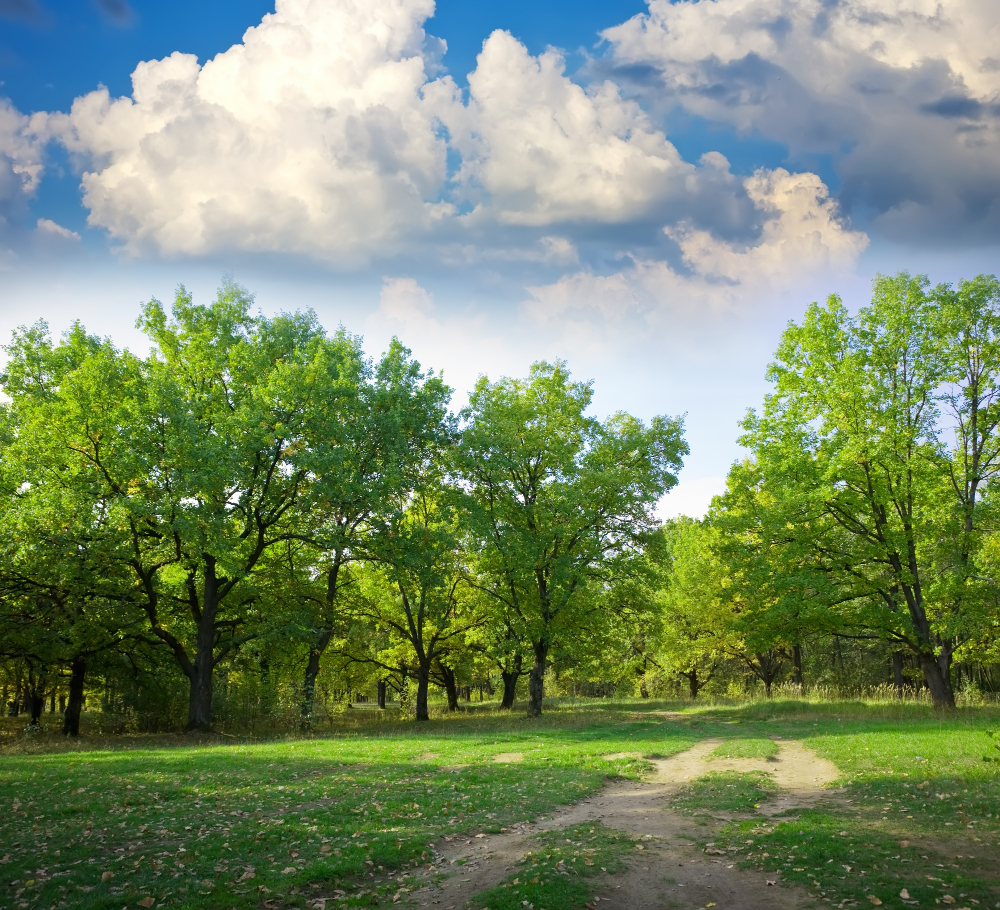
Mature trees are a long-term investment for any property or community. As trees age, their value increases by enhancing landscapes, improving air quality, reducing energy costs through shade and wind protection, and boosting property value. However, trees in urban or residential areas require consistent care to remain healthy and structurally sound. A proactive maintenance approach helps prevent small issues from turning into serious or costly problems.
Monitoring Tree Health and Stability

Regular inspections are essential to understanding a tree’s overall condition. Changes in leaf size, new growth, twig development, or dieback can indicate declining health. Structural concerns such as cavities, extensive dead branches, or fungal growth may signal safety risks. Identifying these signs early allows for timely intervention and helps extend the life of mature trees.
Pruning and Maintenance Practices
Mature trees are a long-term investment for any property or community. As trees age, their value increases by enhancing landscapes, improving air quality, reducing energy costs through shade and wind protection, and boosting property value. However, trees in urban or residential areas require consistent care to remain healthy and structurally sound. A proactive maintenance approach helps prevent small issues from turning into serious or costly problems.
Soil Care and Root Protection
Healthy soil is the foundation of a healthy tree. Urban soils often lack proper nutrients, drainage, or air space, which can limit growth. Soil testing helps determine nutrient deficiencies or pH imbalances and guides appropriate treatments such as fertilization or soil amendments. Protecting the root zone and avoiding unnecessary disturbance is especially important for mature trees, as root damage can have long-term effects.
Mulching and Environmental Protection
Mulching helps create a stable environment for tree roots by regulating soil temperature, retaining moisture, and reducing competition from grass and weeds. Organic mulch also improves soil quality as it decomposes. When applied correctly—away from the trunk and spread outward—it supports tree health while preventing mechanical damage from lawn equipment.
Mulching and Environmental Protection
While tree removal should always be a last resort, it is sometimes necessary when a tree is dead, hazardous, or causing unavoidable damage to surrounding trees or structures. Certified arborists are trained to assess these situations and carry out maintenance or removal safely. Working with qualified professionals ensures informed decisions and protects both property and people.